Glitter Medical Assistant Sublimation: A Designer’s Review
As a designer who spends half my life staring at stitch maps and the other half managing client expectations, I have learned that not every digital asset translates well to thread. When I first encountered Glitter Medical Assistant Sublimation, my initial reaction was cautious curiosity. The title suggests a specific aesthetic—sparkle, healthcare professionalism, and modern flair—but the file format listed is a PNG. This immediately signals that we are not dealing with a traditional machine embroidery design or a vector-based embroidery file ready for digitizing software. Instead, this is a high-resolution graphic intended for sublimation or print applications, which changes how we must approach its use in a craft business context.
First Impressions and Visual Mood
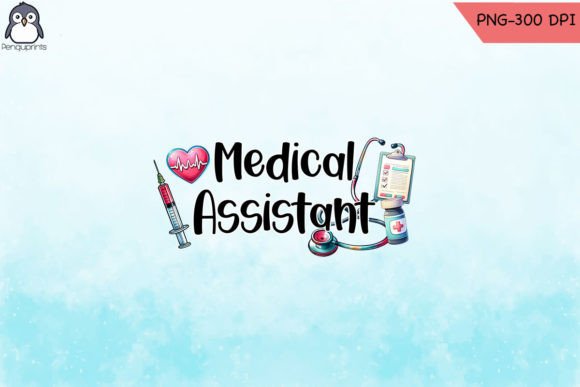
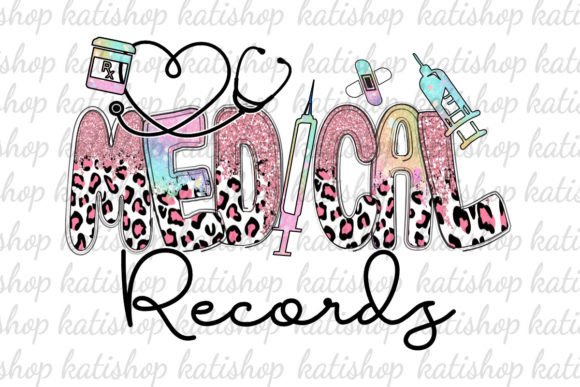
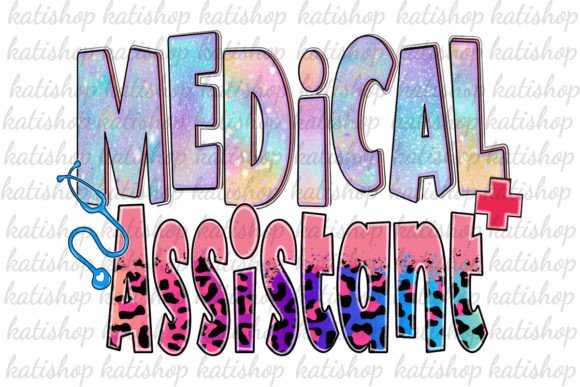
The visual personality of this asset is distinct. It blends the clean, trustworthy imagery associated with medical professionals with a touch of glamour through the glitter effect. For an Etsy seller or a small shop product creator, this mood is powerful. It moves away from the sterile, purely clinical look often found in healthcare apparel and leans into pride, celebration, and personal style. The layout appears balanced, likely featuring bold typography or iconic medical symbols enhanced by the shimmering texture. This kind of design assets package is ideal for creating items that feel celebratory rather than uniform-like.
However, because this is a Graphics file within the Crafts category, specifically a 300 DPI PNG, it requires a different workflow than a standard applique design or digital embroidery file. You cannot simply load this into your embroidery machine. You must treat it as a print element. This distinction is crucial for anyone looking to integrate it into an embroidery project.
Real-World Application: The Custom Tote Scenario
To test the viability of Glitter Medical Assistant Sublimation, I imagined a real-life scenario: creating a premium gift set for a nursing school graduation. The goal was a durable, stylish tote bag design that could hold textbooks and scrubs. Since the file is optimized for sublimation on polyester-based materials, I considered using a white polyester tote. The result would be vibrant, with the glitter effect appearing as part of the print rather than actual raised threads.
If you are an apparel decorator or handmade product creator, you might want to combine this graphic with actual stitching. For instance, you could sublimate the main image onto a patch or directly onto a garment, then add a satin stitch border or running stitch accents around the edges to give it a tactile, high-end finish. This hybrid approach leverages the visual impact of the PNG while adding the perceived value of handcrafted embroidery. It works exceptionally well for custom apparel where clients want complex visuals that are difficult to achieve with thread alone.
Performance on Different Surfaces
Understanding where this design shines—and where it struggles—is key to maintaining customer trust. Since this is a sublimation-ready PNG, it performs best on light-colored, synthetic fabrics. On a white sweatshirt embroidery base made of poly-blend, the colors will pop, and the glitter effect will look crisp. However, if you attempt to transfer this onto dark fabric without a white underbase or specialized transfer paper, the details may get lost.
For those interested in baby embroidery or nursery decor, caution is advised. Sublimation requires heat, which may not be suitable for delicate baby clothes or certain plush textures. Additionally, while the design looks stunning on flat surfaces like pillow covers or mugs, applying it to curved surfaces like caps requires careful pressing techniques to avoid distortion. If you are creating an embroidered patch to sew onto a cap, ensure the sublimated patch is securely attached with a strong adhesive or stitching, as the smooth surface of sublimated fabric can sometimes slip.
Practical Designer Notes for Crafters
Before launching this as a craft business staple, consider these practical steps:
- Test on Scrap Fabric: Always run a test print on the exact material you plan to use. Check for color accuracy and ensure the "glitter" effect prints clearly without banding.
- Check Thread Contrast: If you plan to add embroidery accents, choose thread colors that complement the sublimated image. A metallic gold or silver fill stitch can enhance the glitter theme without overwhelming the design.
- Stabilizer Selection: Even though the main image is printed, any additional stitching requires proper stabilizer support. For stretchy fabrics like performance scrubs, use a cut-away stabilizer to prevent puckering.
- Hoop Size Considerations: While this is not a stitched file, if you are framing it with embroidery, ensure your hoop size accommodates both the printed area and the decorative stitching margin.
- Licensing Verification: Always confirm the license terms. Can you sell finished items? Can you use it for commercial embroidery projects? The description states it is for creating products, but double-check if there are restrictions on mass production.
Enhancing Product Value and Brand Consistency
Using Glitter Medical Assistant Sublimation correctly can significantly boost the perceived value of your personalized gift offerings. Customers often associate sublimation with durability and vibrancy, especially for items that need frequent washing, like kitchen towel sets or aprons. By combining this high-quality graphic with neat, professional finishing touches, you create a finished product that feels boutique-quality.
For digital product sellers, this PNG is also a valuable asset for creating printable mockup previews. You can showcase how the design looks on various items before committing to physical production, helping buyers visualize their holiday embroidery gifts or wedding presents. This transparency builds buyer engagement and reduces return rates.
Final Verdict for Makers
Glitter Medical Assistant Sublimation is a versatile tool for the modern maker, provided you understand its limitations and strengths. It is not a plug-and-play machine embroidery design, but rather a high-quality graphic that opens doors to hybrid crafting techniques. Whether you are creating tote bag design prototypes, custom sweatshirt embroidery pieces, or unique small shop product lines, this asset offers a professional look with minimal setup time.
Remember to respect the fabric texture and stitch density of any additional embroidery you add. Keep the design clear, avoid overcrowding small details, and always prioritize the comfort and durability of the final item. With careful application, this graphic can become a standout element in your portfolio, appealing to healthcare workers who want to express their profession with pride and sparkle.