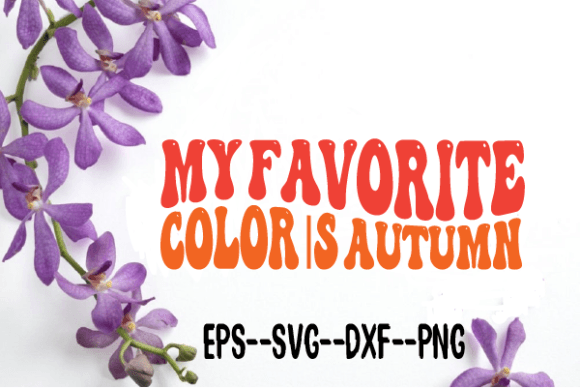
Reviewing My Favorite Color İs Autumn Retro Wavy
As a designer who has spent countless hours digitizing patterns and testing them on various fabrics, I approach every new machine embroidery design with a critical eye. It is not enough for a graphic to look good on a screen; it must translate seamlessly into thread, withstand the tension of the needle, and hold up after washing. Recently, I evaluated My Favorite Color İs Autumn Retro Wavy, a piece that sits at the intersection of digital Graphics and tactile Crafts. While the product description highlights its utility as a sublimation design for mugs and pillows, my focus was strictly on its potential for real-world embroidery applications.
First Impressions and Visual Mood
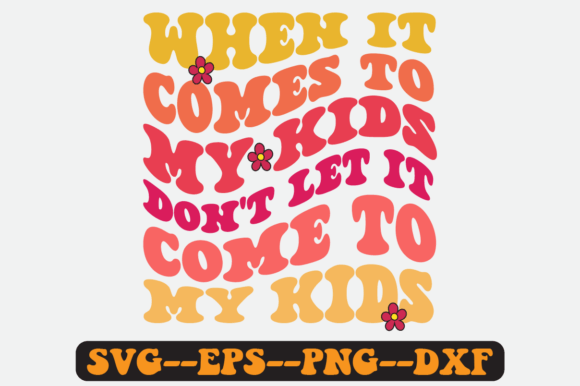
The immediate appeal of My Favorite Color İs Autumn Retro Wavy lies in its nostalgic aesthetic. The wavy lines evoke a sense of movement and warmth, perfectly capturing the cozy, muted tones associated with autumn. For an embroidery project, this fluidity is both a blessing and a challenge. Unlike rigid geometric shapes, wavy designs require smooth stitch paths to avoid jagged edges or thread breaks. The visual personality of this design suggests it belongs on items meant to comfort and delight, such as a plush pillow cover or a soft baby blanket. It does not scream for attention but rather invites a closer look, making it ideal for boutique branding where subtlety equals sophistication.
Real-World Application: The Custom Tote Bag Scenario
To truly test the viability of this design, I imagined a specific client request: a set of reusable tote bags for a local farmer’s market vendor. The client wanted something earthy yet modern. My Favorite Color İs Autumn Retro Wavy fit this brief perfectly. However, translating a SVG-based concept into an embroidery file requires careful consideration of stitch types. For a tote bag made of canvas or heavy cotton, a simple running stitch might get lost in the fabric texture. Instead, I would recommend using a satin stitch for the thicker parts of the waves to ensure visibility and durability. This approach transforms the digital asset into a tangible handmade product that feels premium to the touch.
If you are an Etsy seller or run a small shop, this type of design can elevate your custom apparel offerings. Imagine it stitched onto the chest of a cream-colored sweatshirt. The retro vibe aligns with current fashion trends, making it a strong candidate for sweatshirt embroidery that appeals to younger demographics. The key here is scale. Because the design features flowing lines, it needs enough space to breathe. Cramping it into a small hoop size could result in a dense cluster of stitches that puckers the fabric, ruining the clean look of the waves.
Technical Considerations for Embroiderers
Before loading My Favorite Color İs Autumn Retro Wavy into your machine, there are several practical factors to address. The product description notes that you will receive DXF and EPS files. These are vector formats commonly used in cutting machines and graphic design software, not native embroidery formats like PES or DST. This means you will need to digitize the design yourself or use conversion software to create the actual digital embroidery file. This step is crucial because automatic converters often misinterpret stitch density and direction.
When digitizing, pay close attention to stitch density. Too many stitches in the curved areas can cause the fabric to bunch up, especially on stretchy materials like jersey knits used for t-shirts. Conversely, too few stitches may leave gaps where the background fabric shows through, breaking the illusion of a solid wave. I always advise testing the design on scrap fabric first. Use the same type of stabilizer you plan to use for the final product. For lighter fabrics, a cut-away stabilizer provides better support for the weight of the thread, while tear-away stabilizers work well for sturdy materials like denim or canvas.
Fabric and Thread Choices
The success of this design heavily depends on your choice of thread colors and fabric texture. Since the theme is autumn, consider using variegated threads that shift from burnt orange to deep brown. This adds depth to the wavy lines without requiring complex color changes. However, be cautious with dark fabrics. If you stitch this design on black or navy material, ensure your thread has enough contrast. A low-contrast combination might make the design disappear from a distance, reducing its impact as a personalized gift or retail item.
For items like embroidered patches or caps, the curvature of the surface matters. On a cap, the wavy lines should follow the contour of the panel to avoid distortion. If the design is too wide, it may wrap around the sides uncomfortably. In such cases, scaling down the design while maintaining proportion is essential. Always check whether the design works for both personal and commercial projects by confirming licensing terms, as this affects how you can market your finished product.
Enhancing Product Value and Brand Consistency
Incorporating My Favorite Color İs Autumn Retro Wavy into your lineup can significantly boost perceived value. Customers often associate intricate embroidery with higher quality compared to printed graphics. When they see the texture of the thread and the precision of the stitches, it builds trust in your craftsmanship. This is particularly important for holiday embroidery gifts, where buyers are looking for something special and lasting. A well-executed wave design on a kitchen towel or apron becomes a cherished item rather than a disposable one.
Moreover, using consistent design elements like this across different products helps establish brand recognition. Whether it is on a tote bag design or a baby embroidery item, the retro wavy motif creates a cohesive look for your craft business. It signals to customers that you have a distinct style, which can lead to repeat business and higher engagement on social media platforms where visual appeal drives clicks.
Final Verdict for Designers and Makers
My Favorite Color İs Autumn Retro Wavy is a versatile asset for those willing to put in the digitization work. It is not a plug-and-play solution since it comes in vector formats, but this flexibility allows experienced designers to tailor the stitch parameters to their specific machines and fabrics. It performs best on medium to heavy-weight fabrics where the stitches can stand out clearly. Avoid using it on very thin or slippery materials unless you have advanced stabilization techniques.
For commercial embroidery projects, this design offers a trendy aesthetic that resonates with current consumer preferences. Just remember to test thoroughly, adjust stitch density for your specific fabric, and choose thread colors that enhance the autumnal mood. With careful execution, this design can become a staple in your portfolio of design assets, helping you create memorable printed mockup previews and stunning real-life items that customers love to buy and keep.