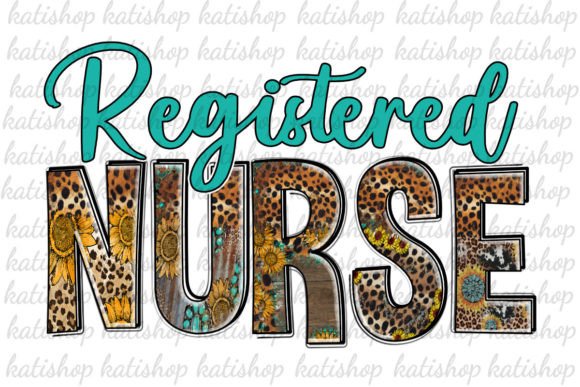
Reviewing the Registered Nurse Sunflower Sublimation Design
As a designer who spends half my life digitizing patterns and the other half testing them on actual fabric, I have learned to look past the glossy preview images. When I first encountered the Registered Nurse Sunflower Sublimation graphic, my immediate reaction was not just about aesthetics, but about application. This is a piece of digital art rooted in the Crafts category, specifically under Graphics, yet its potential extends far beyond simple printing. For those of us in the embroidery and handmade goods space, understanding how a sublimation-ready PNG translates into a tangible, stitched reality is crucial for maintaining quality and customer trust.
First Impressions: Mood and Visual Personality
The design combines two powerful symbols: the resilience and care associated with nursing, and the warmth and optimism of a sunflower. Visually, the layout feels balanced. The sunflower provides organic, flowing lines that contrast nicely with the structured, professional implication of the nursing theme. For an embroidery project, this juxtaposition is interesting. The petals offer opportunities for varied stitch types, while the central elements might require precise satin stitches to maintain clarity.
The mood is uplifting and professional. It does not feel overly clinical, nor does it feel too casual. This balance makes it a strong candidate for personalized gifts that need to feel both heartfelt and respectful. When I visualize this on a product, I see it working best where there is enough surface area to let the details breathe. It is not a minimalist icon; it has presence.
Real-World Application: From Digital File to Finished Product
Let us consider a real-life scenario. Imagine you are preparing a custom order for a local hospital’s appreciation week. You decide to create a high-quality tote bag for the head nurse. Using the Registered Nurse Sunflower Sublimation file, you could sublimate the design directly onto a polyester-blend tote. However, as an embroiderer, I often look at these graphics and think about hybrid techniques or full conversion.
If you are using this strictly as provided—a 300 DPI PNG—it is ideal for sublimation on mugs, pillows, and light-colored apparel. But if you are an Etsy seller or small shop owner looking to expand your offerings, you might use this graphic as a reference to create a complementary embroidered patch. The visual appeal of the sunflower can be translated into thread colors that pop against navy blue or heather gray scrubs. This approach adds texture and perceived value to the finished product, distinguishing your handmade product from mass-produced items.
For sweatshirt embroidery, this theme works beautifully on the left chest or as a larger back piece. The warmth of the sunflower complements the cozy nature of fleece. However, because the source file is a raster image (PNG) intended for sublimation, you must be cautious. You cannot simply send a PNG to an embroidery machine. You would need to use this graphic as a visual guide to digitize a new embroidery file, ensuring proper stitch density and underlay.
Technical Considerations for Embroiderers
While the product description specifies this is a PNG for sublimation, many crafters buy such assets to inspire their own digitized work. If you plan to recreate this look in thread, here are practical notes based on my experience with similar floral and professional themes.
- Stitch Density and Texture: Sunflowers have complex centers. In embroidery, a dense fill stitch can cause puckering on thin fabric. Use a lighter fill or a textured running stitch pattern to mimic the seed head without adding excessive bulk.
- Thread Colors: Contrast is key. Ensure your yellow threads stand out against the background fabric. If stitching on dark fabric, consider using a lighter stabilizer or backing to prevent the fabric color from dulling the vibrancy of the threads.
- Hoop Size: Check your hoop size before starting. A detailed design like this needs room. Cramping it into a small 4x4 hoop may lose the intricacy of the petals. A 5x7 or larger hoop is often safer for maintaining design integrity.
- Stabilizer Choice: For stretchy fabrics like t-shirts or baby clothes, a cut-away stabilizer is essential to prevent distortion after washing. For woven fabrics like tote bags or pillow covers, a tear-away may suffice, but test on scrap fabric first.
Where to Use Caution
Not every surface is suitable for this level of detail. If you are considering this for a cap, remember that curved surfaces distort designs. The center of the sunflower might shift if not properly hooped with a cap frame. Additionally, tiny lettering often accompanies nursing designs. If you add text, ensure it is large enough to be legible when stitched. Small, intricate fonts can become unreadable blobs of thread if the stitch count is too high for the size.
Avoid using this on highly textured fabrics like thick wool or terry cloth unless you are using an applique design technique. The texture of the fabric can interfere with the smooth appearance of satin stitches, making the final product look messy rather than professional.
Business Value and Customer Trust
For commercial embroidery projects and small business merchandise, consistency is vital. Using a high-quality graphic like Registered Nurse Sunflower Sublimation as a base for your product line helps establish brand consistency. Customers recognize quality. A well-executed embroidered item based on a clean, professional design builds trust.
When listing items on Etsy or at craft fairs, highlight the craftsmanship. Explain that the design was carefully adapted for embroidery, considering stitch direction and thread tension. This transparency educates the buyer and justifies a higher price point. It transforms a simple item into a bespoke, thoughtful gift.
Final Verdict and Practical Advice
The Registered Nurse Sunflower Sublimation file is a versatile asset for creators. While it is technically a sublimation graphic, its value lies in its strong visual composition. For embroiderers, it serves as an excellent reference for creating custom digitized designs. Always remember to check licensing terms before selling finished items or digital products derived from this graphic. Since the file provided is a PNG, ensure you have the right to use it for commercial purposes if you are selling physical goods.
Before committing to a large batch, test the design on scrap fabric. Check how the colors interact with your specific thread brands. Compare light and dark fabric backgrounds to see which offers better visibility. By treating this graphic as a starting point for creative adaptation rather than just a print file, you unlock its full potential in the world of handmade and custom apparel.
In the end, the success of your project depends on how well you translate the digital vision into physical reality. Whether you are making a holiday embroidery gift, a boutique product, or a personalized item for a healthcare hero, attention to detail in both design selection and execution will always yield the best results.